

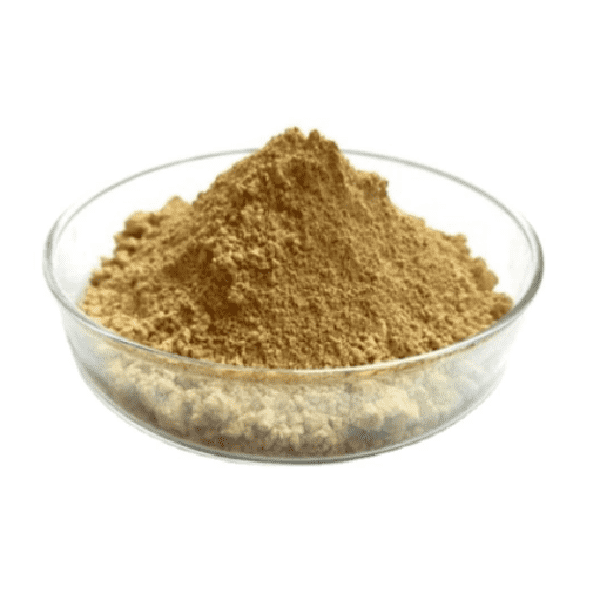


KINDHERB Polypodium Leucotomos Extract | Premium Quality, Food Grade
1.Product name: Polypodium Leucotomos extract
2.Specification: 4:1,10:1 20:1
3.Appearance: Brown powder
4. Part used: Leaf
5. Grade: Food grade
6. Packing Detail:25kg/drum, 1kg/bag(25kg net weight,28kg gross weight; Packed in a cardboard-drum with two plastic-bags inside; Drum Size: 510mm high, 350mm diameter)(1kg/Bag net weight, 1.2kg gross weight, packed in an aluminum foil bag; Outer: paper carton; Inner: double-layer
7.MOQ: 1kg/25kg
8.Lead time: To be negotiated
9.Support ability: 5000kg per month.
Polypodium leucotomos is a type of fern native to the tropical and subtropical regions of the Americas. It has a long history of use as a folk remedy in Honduras, where it is used for a wide variety of ailments. Commercial extracts of Polypodium leucotomos, which are also called "anapsos," have been available since the 1970s.
Other names include calaguala, anapsos, Heliocare, Kalawalla, and Polypodiaceae.
1) UV radiation
Preliminary studies suggest that Polypodium leucotomos may reduce sunburn severity. Larger trials are needed to determine its effectiveness and to determine if there are any side effects at the required doses.
2) Psoriasis
In alternative medicine, polypodium extracts have been used for psoriasis in Europe and Central and South America. Large, well-designed studies, however, are needed before it can be recommended as a treatment for psoriasis.
A study examined whether Polypodium leucotomos could reduce side effects of PUVA. PUVA is a treatment for moderate-to-severe psoriasis and consists of psoralen (a light-sensitizing medication) plus ultraviolet light A.
This would potentially be helpful for people with lighter skin (skin types II and III), because the use of PUVA is currently limited by risks of skin damage and skin cancer. A small pilot study looked at PUVA alone compared with PUVA plus Polypodium leucotomos taken orally. Skin cells of the study participants were examined under microscope, and those taking polypodium were found to have less skin damage compared with those taking the placebo.
3) Autoimmune disorders
In animal and test tube studies, Polypodium leucotomos has been found to inhibit immune factors called cytokines, particularly the cytokines associated with autoimmune diseases. In small amounts, cytokines are needed for proper healing. But if overproduced, they can cause inflammation and tissue damage.
4) Vitiligo
A study involving 50 people with vitiligo vulgaris compared the effectiveness of oral Polypodium leucotomos extract (250 mg three times per day) combined with narrow-band ultraviolet B treatment (twice weekly for 25 to 26 weeks) to narrow-band UVB treatment and a placebo. Researchers found an increase in repigmentation in the head and neck area in the polypodium group compared to the placebo group. This effect was more pronounced in people with lighter skin (skin types II and III).
Previous: PhytosterolNext: Polyporus Umbellatus Extract